
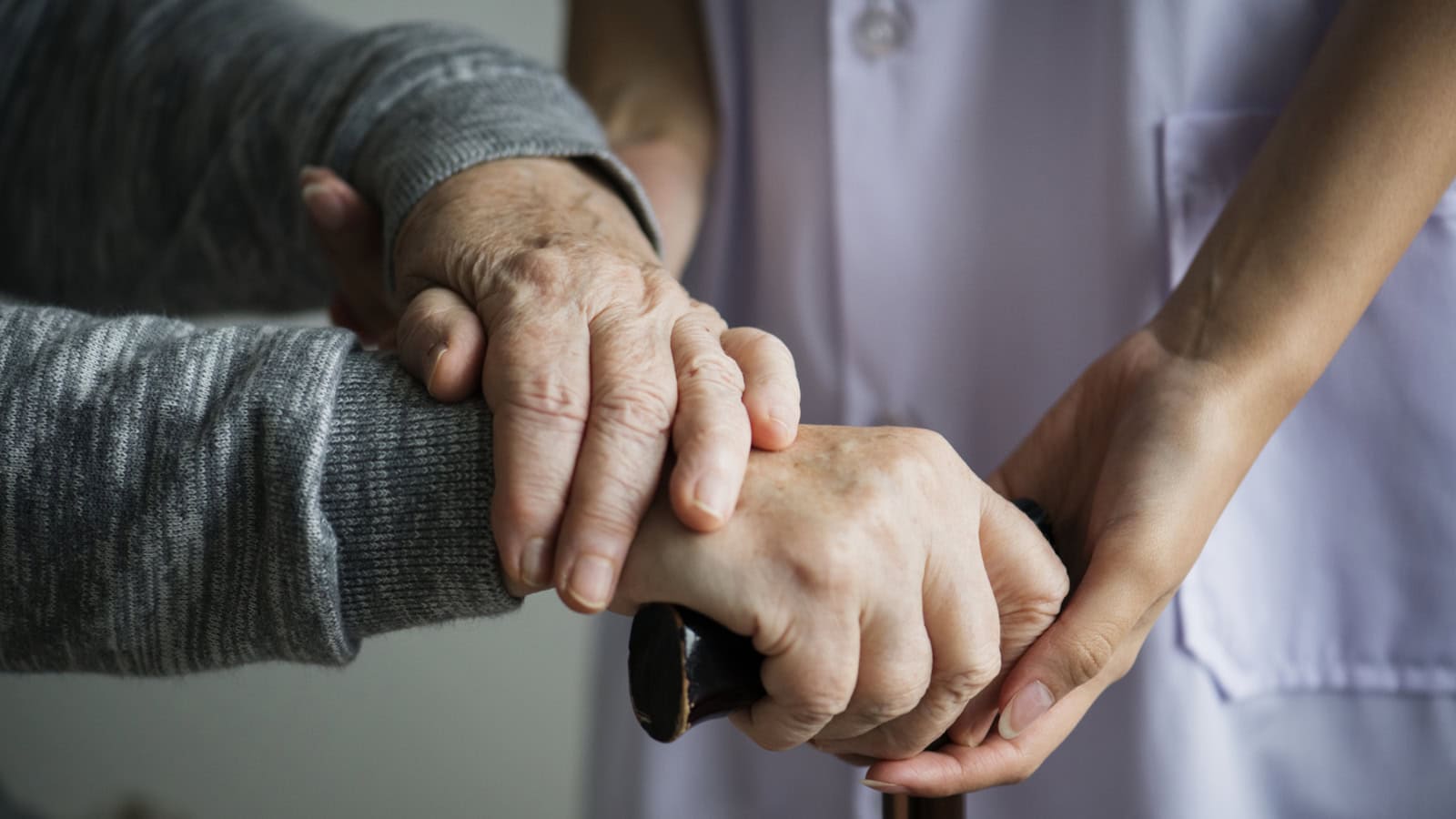
Paying privately for a care home has become the norm, new data has revealed, with 62% of people enquiring about care expecting to pay for it themselves, despite the availability of NHS and local authority funding.
The average cost of residential care now exceeds £1,100 per week, with nursing care often far higher. For those with complex or long-term health needs, annual fees can easily surpass £70,000.
This has led many people to drain their life savings to cover care costs — from selling family homes to relying on loved ones to pay ‘top-up’ fees. Meeting such significant fees can be both emotionally and financially draining.
The LGBTQ+ community is disproportionately affected by many of these pressures. Research shows that many LGBTQ+ people experience greater financial insecurity and health inequalities in later life, and are more likely to live alone or be without children. Older LGBTQ+ adults may also have reduced access to traditional informal support networks — such as close family members — whether due to estrangement, discrimination experienced earlier in life, or different family structures.
These factors can constrain access to unpaid, informal care and increase reliance on paid, formal support if health needs arise. Where someone already faces economic disadvantage or health disparities, the financial impact of long-term care can therefore be particularly acute.
Irrespective of the community you belong to, however, it is vital to understand your rights when it comes to the cost of care — it could make all the difference.
There is a crucial source of free NHS funding that many people do not know about: NHS Continuing Healthcare (CHC). For those who qualify, CHC covers the entire cost of care — including medical support, accommodation, personal care and meals — free of charge, regardless of income or savings.
What Is NHS Continuing Healthcare?
NHS Continuing Healthcare (CHC) is a package of care fully funded by the NHS for adults with serious and ongoing health needs.
Unlike social care, which is means-tested, CHC is based solely on health needs, not financial circumstances. It can be provided in a care home, nursing home, hospice, or in the individual’s own home.
If eligible, the NHS is responsible for meeting the full cost of the assessed care package. By contrast, local authority funding is subject to strict financial thresholds, often requiring individuals to contribute from their savings or the value of their home.
Why CHC Matters More Than Ever
For many LGBTQ+ people — particularly those without children or close family support — navigating the CHC process alone can feel overwhelming. Where someone has historically experienced discrimination in healthcare settings, there may also be reluctance to challenge decisions or pursue appeals. It is important to know that individuals are entitled to advocacy and legal support throughout the process.
Despite its importance, CHC remains under-identified and inconsistently applied in practice. Many individuals who may meet the criteria are never assessed, or are refused following assessments that do not properly apply the National Framework. Understanding your rights can make all the difference.
Who Can Get NHS Continuing Healthcare?
To qualify, an individual must be found to have a primary health need — meaning their needs are significant, complex or unpredictable in nature. A local NHS assessment team — usually including nurses, doctors and social workers — will assess whether the individual has a primary health need under the National Framework for NHS Continuing Healthcare.
CHC is not limited to care homes. Many people receive funding at home, allowing them to remain in familiar surroundings while the NHS covers carers, nurses and necessary equipment.
How the NHS CHC Assessment Works
- Checklist Assessment: A brief screening carried out by a health or social care professional.
- Full Assessment (Decision Support Tool): If the Checklist indicates a higher level of need, a detailed assessment is completed by a multidisciplinary team (MDT).
- Decision by the Integrated Care Board (ICB): The local NHS body makes the final eligibility decision.
If approved, the NHS pays for the full care package. If refused, there is a formal appeal process — and many families successfully overturn initial decisions where the evidence is properly presented.
Why Is CHC So Poorly Understood?
A major issue is lack of awareness. People are often not informed about CHC until they have already spent months — sometimes years — paying for care.
If you or your loved one’s needs are significant, request a CHC assessment as early as possible. Even if the person has been in care for some time, retrospective reviews are available. In England, families can request a review of previously unassessed periods of care dating back to April 2012, even where the individual has since passed away.
Requesting a Checklist assessment is the formal first step and can be initiated by a GP, hospital discharge team, social worker or directly through the local Integrated Care Board.
Know Your Rights
With the cost of care reaching crisis levels, people should not have to sell their homes or exhaust their savings when their own needs — or those of a loved one — are fundamentally medical.
NHS Continuing Healthcare exists to ensure that care which is, in essence, healthcare remains free at the point of need. Yet too few people know it exists, and fewer still understand how to access it.
For LGBTQ+ individuals and families already navigating health inequalities and financial pressures, understanding CHC is not merely helpful — it can be life-changing. Care should never force someone to lose their home or deplete a lifetime’s savings where their needs are primarily health-based. Knowing your rights is the first step towards protecting both dignity and financial security.
Lisa Morgan is Head of the Nursing Care fee recovery team at Hugh James Solicitors













![Ember's House is a gay cabaret night at LGBTQ] bar called Rupert Street Bar in London's Soho.](https://www.qxmagazine.com/wp-content/uploads/2026/04/imageedit_19_6112798129-728x410.jpg)