
In Lisa Doyle is Absolutely Fine Lisa is happy enough pretending her life isn’t quietly unravelling. I wrote her because I speak that particular language. Fluently. I’d put it on a CV if there was any call for dead languages.
“I’m fine” remains my most consistent white lie. One I started telling myself (and anyone who asked) long before I had words for what I was. Before I had words for what other people might do to me if they found out.
“I’m fine” got me through Sunday dinners where uncles asked if I was ‘courting’. School corridors where the wrong walk could earn a kicking. Office Christmas parties where someone’s wife asked if I had a girlfriend, and I could feel the whole table lean in to hear what shape the lie would take. The weekly phone call from mum that always ended with, “And you? Are you all right, love?” “Yeah. I’m fine.”
It’s a remarkable little phrase. Two syllables that shut down any conversation, decline any invitation to be known… and send the other person away reassured. The verbal equivalent of locking the bathroom door behind you. Generations of gay men learned “I’m fine” before we learned to ride a bike. To be fair, I’m still not great on two wheels. But the phrase? Fluent by Year 6. No exam, no certificate. Word of mouth, playground to playground, like nits.
The cost of fluency
The trouble with being fluent in a language is that you start thinking in it. I’ve spent decades saying ‘I’m fine’ to people who weren’t really asking how I was. They were asking me to reassure them that they didn’t have to worry about me. I obliged. Politeness was the other dialect I grew up speaking. The two paired like a decent Pinot Noir with grilled salmon. Trust me, I know my wines.
What I didn’t notice – what none of us notice while we’re doing it – is just how much energy this fluency takes. It’s like there’s some sort of tax on every ‘I’m fine.’ A tiny tourist-tax-levy added to each and every interaction. Over a lifetime, the receipts run into six-figure numbers. Lisa Doyle pays it too, in the novel. Different reasons, same currency.
2026
Last year during Pride (on qxmagazine.com), I snarked about how rainbows were being welded onto company logos everywhere, insisting that solidarity only matters if it means something. A year on, with a world feeling like it’s slip-sliding towards the far right, some of those rainbows have grown less obvious. The corporate ally bunting isn’t always out. The conversations about who counts and who doesn’t have moved into rooms gay people aren’t invited to. Badly-lit rooms that smell ever-so-slightly of a disappointing Tesco Meal Deal.
And here’s the thing about the language we learned. It works on hostile uncles, but it also works on us. Asked how we feel about the rollbacks, the grim headlines, the way the conversation keeps drifting somewhere colder… we keep our answers simple. “Yeah. Bit grim, isn’t it? I’m fine, though.”
Two syllables doing the work of an entire NHS mental health budget. And about as well-funded.
What happens when you stop
There’s a moment in my new book when Lisa cracks and tells one person the truth. That – despite all appearances – she isn’t fine. And the world doesn’t end. The other person doesn’t run for the hills.
I didn’t realise while I was writing her that I was rehearsing lines I could deliver myself. I’ve spent the past year listening to what gets said in queer spaces when we drop the script, and people around me sound, frankly, exhausted. Determined, but exhausted. Tired of performing fine-ness for people who haven’t truly earned an honest answer.
Because here’s the catch: ask me how I really am and you’ve unwittingly signed up for ninety minutes, no interval, possibly tears and interpretive dance. Almost certainly too much detail about my mother. Be careful what you ask for.
So now, by way of a small public experiment: try answering the “how are you?” question properly. Not to your sweet-enough boss, but to your real friends. Instead of dismissing things with a manicured “fine”, say what’s in your heart. It’ll feel exposing. That’s the price of admission. The relief comes after.
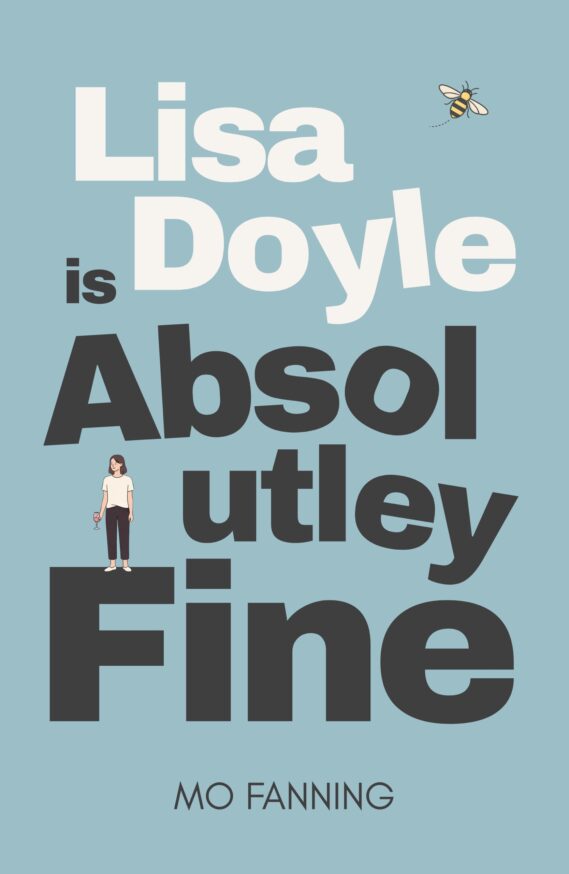
‘Lisa Doyle is Absolutely Fine’ is out now. She’s a born survivor. Straight, but a regular on Manchester’s Canal Street. She breaks the rules on page one and never quite stops. Come and meet her.
Details: ISBN: 9781068394720. Publisher: Spring Street Books.