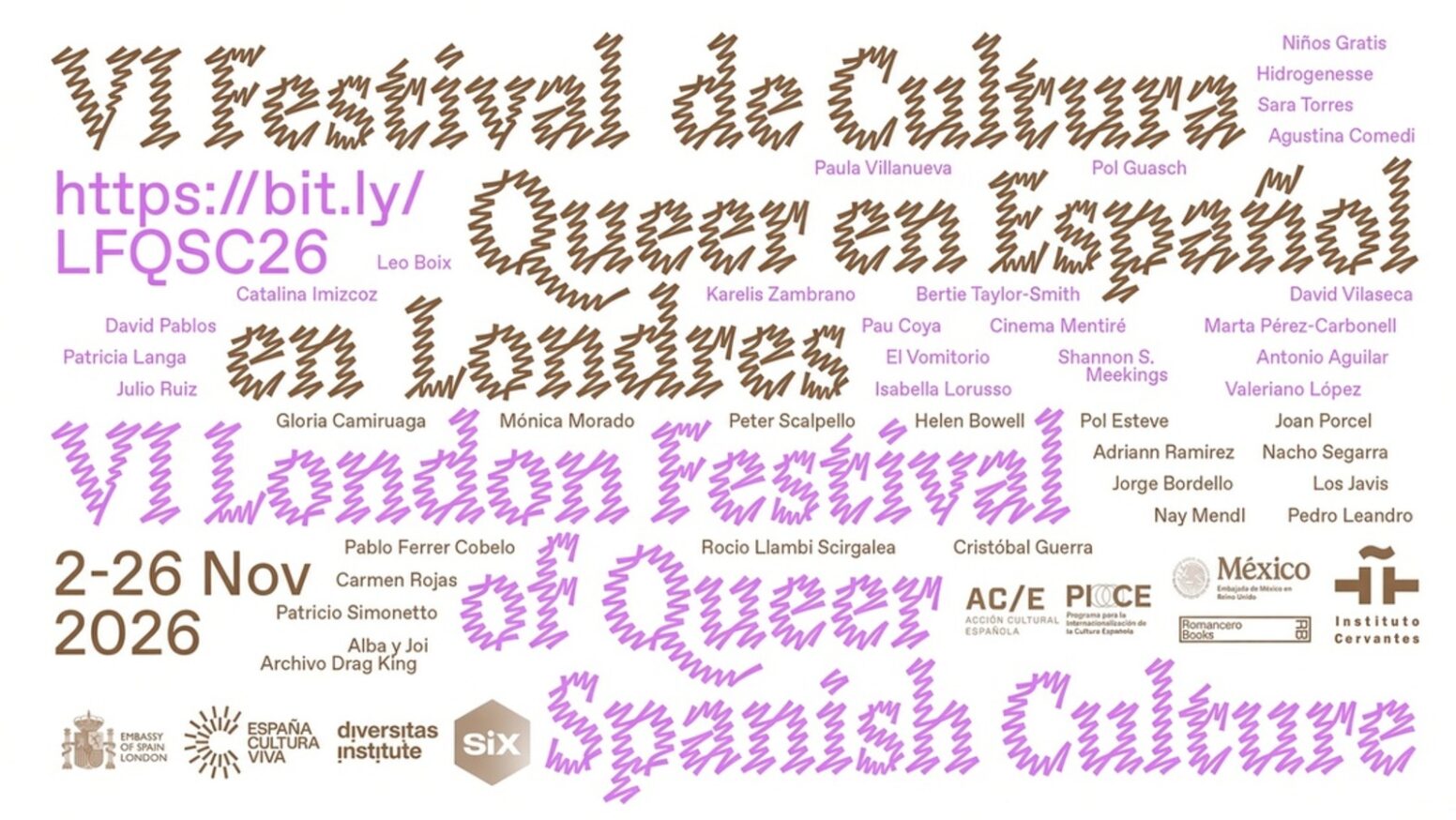
The VI London Festival of Queer Spanish Culture (Festival de Cultura Queer en Español en Londres) is a month-long cultural celebration running from Monday, 2 November to Thursday, 26 November, 2026.
Many of the festival’s events are in Spanish but some are in English, or in Spanish with translations available. The festival is organised by Romancero Books CIC, with backing from official sponsors such as the Spanish Embassy in London and Instituto Cervantes London.
Originally focused on literature, the festival has expanded into an ambitious multidisciplinary program featuring 17 events across London.
What does London Festival of Queer Spanish Culture feature?
Artistic Disciplines: The festival expands to almost a month, bringing together cinema, literature, music, performance, research and queer memory.
Core Themes: This year’s programme explores dissent through the work of Federico García Lorca, trans histories, lesbian lives during Spain’s Second Republic, and queer archives from Spain and Latin America
Key Venues: Events are hosted across various London spots, including The Divine, Rio Cinema, October Gallery, Hundred Years Gallery, Gay’s the Word, and Common Press Books.
You can browse the full line-up and book tickets via the official Romancero Books VI LFQSC Programme.
This year, London will welcome Sara Torres, Pol Guasch, Hidrogenesse, Valeriano López, Patricia Langa, Julio Ruiz and a new generation of international queer creators.
VI London Festival of Queer Spanish Culture
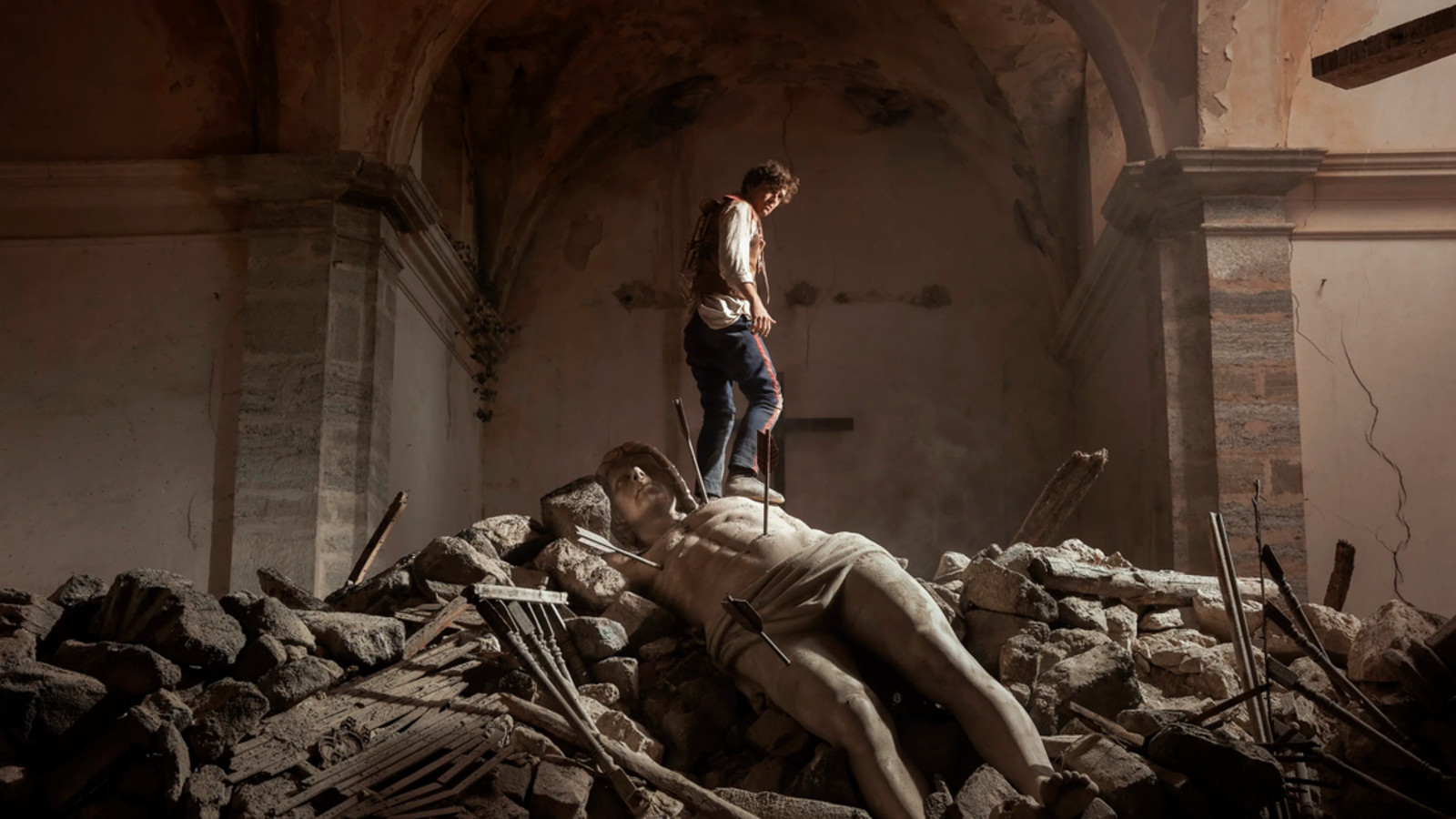
Monday 2 November: UK premiere of La Bola Negra
Directed by Javier Calvo and Javier Ambrossi. The screening will take place at Rio Cinema at 7pm.
The film interweaves the lives of three men from different eras, connected by desire, sexuality, pain and inheritance, and draws on one of Federico García Lorca’s unfinished plays. Its queer genealogy makes it a natural fit for the festival. After winning Best Director at Cannes and the Audience Awards in Sydney, Toronto and San Sebastián, the film has already attracted more than two million cinema-goers in Spain. It has been selected to represent the country in the race for the 2027 Oscars.
Tuesday 3 November: The official opening at the residence of the Spanish Ambassador in London
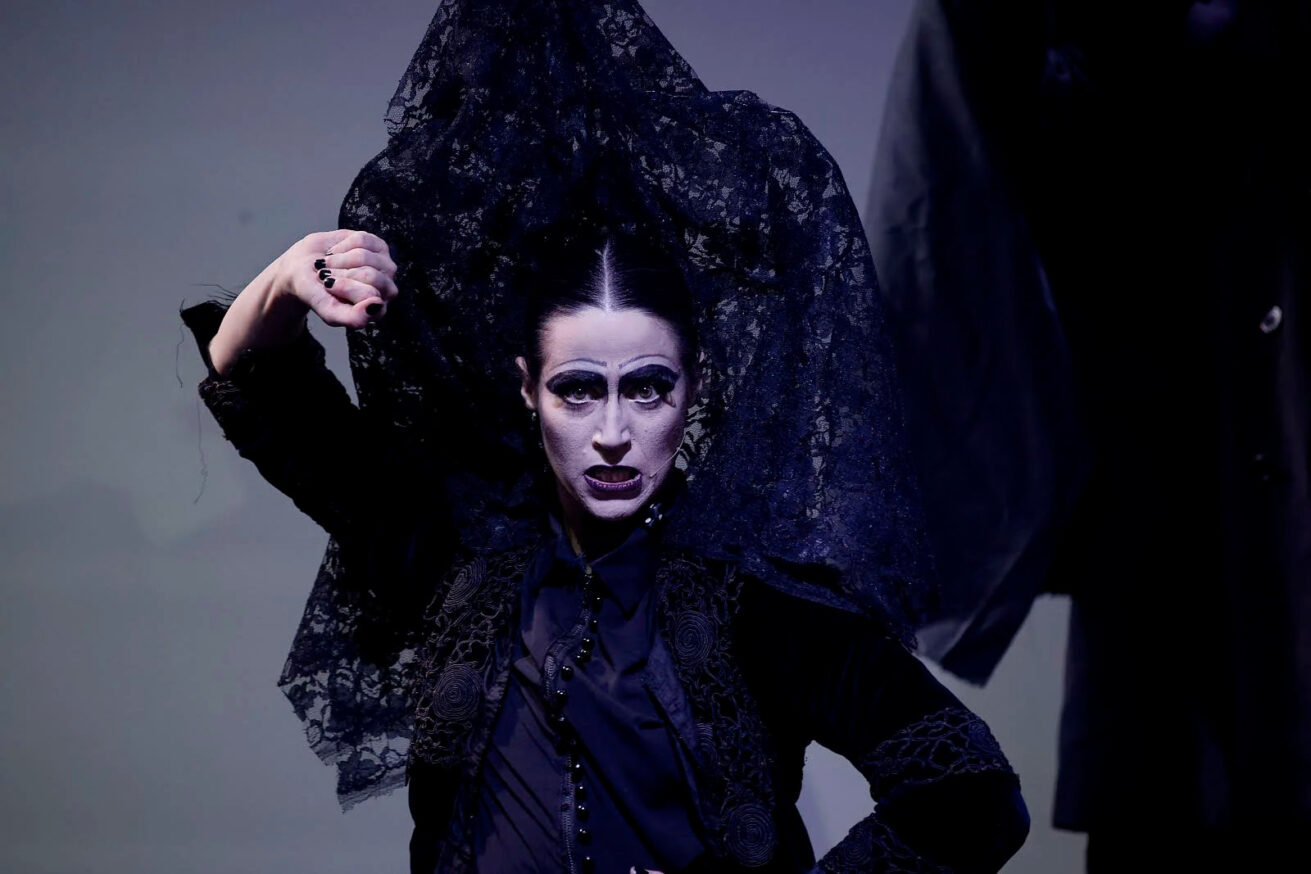
Artist Patricia Langa will present Tribute to Lorca, a performance combining dance, flamenco, poetry and lip-sync. Through her character Conchita, Langa pays tribute to Federico García Lorca on the 90th anniversary of his assassination, exploring his death as an act of violence whose memory remains painfully relevant today, while reaffirming the enduring significance of his legacy.
Between contemporary creation and queer memory
One of this year’s central strands brings together some of the most distinctive voices in contemporary queer culture in Spanish.
Friday 6 November: Writer and poet Sara Torres will present her novel The Seduction at The Common Press Bookshop
Sara Torres will be in conversation with Jorge Gárriz. Published by Atria/Primero Sueño Press, the novel explores desire between women through a relationship shaped by intimacy and ambiguity.
Saturday 7 November: Hidrogenesse
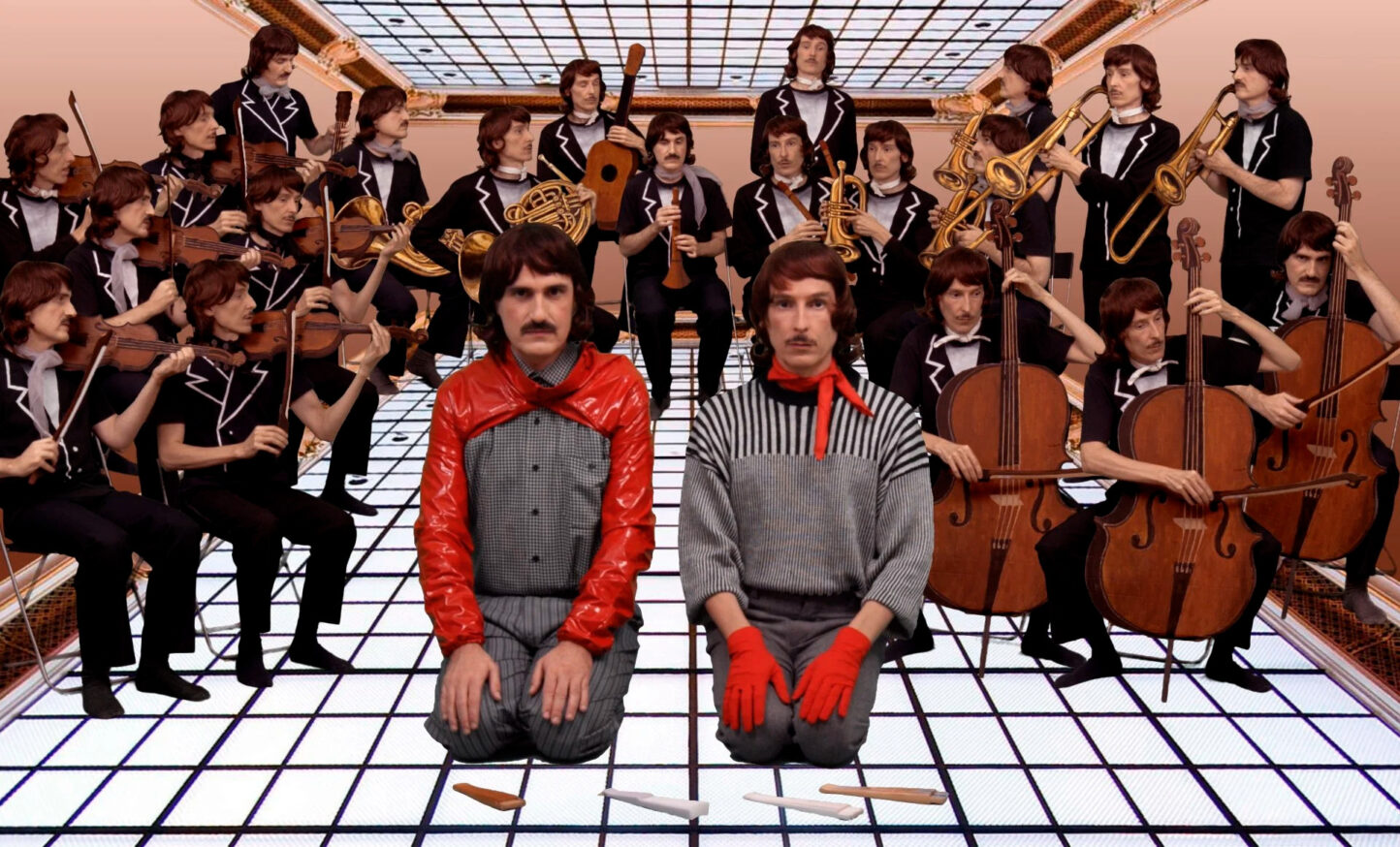
Hidrogenesse is one of the defining acts in Spanish electronic and independent pop, perform at The Divine. Carlos Ballesteros and Genís Segarra, who have been making music together since 1997, will perform a Spanish-language set spanning different stages of their career, offering London audiences a rare chance to experience one of the most distinctive and enduring acts in Spanish-language pop.
Sunday 8 November: Las almejas que hablan at The Divine
Las almejas que hablan is a dance-theatre work by Carmen Rojas and Karelis Zambrano. Blending movement, theatre, dance and audiovisual elements, the piece challenges heteronormativity and reclaims the body as a space of freedom. First performed in 2024 and recognised at the 38th Madrid Choreographic Competition, it draws on cuir camp and lesbian camp to imagine, through humour and irreverence, alternative ways of experiencing gender, sexuality and kinship.
Friday 13 November: A joint presentation of Elogio del cruising by Antonio Aguilar and El Círculo Sáfico. Lesbianismo y bisexualidad en el Madrid de principios del siglo XX by Paula Villanueva.
Aguilar’s book traces cruising and homoerotic desire in contemporary Spanish poetry. At the same time, Villanueva’s study reconstructs the history of Madrid’s so-called Círculo Sáfico, bringing to light the lives and work of figures including Elena Fortún, Rosa Chacel, Victoria Kent, Carmen Conde and Victorina Durán.
Contemporary perspectives on queer bodies and lived experience
Saturday 14 November: Diamond Dust
Written by Pau Coya and performed by Bertie Taylor-Smith and Pedro Leandro, Diamond Dust examines the visibility and credibility afforded to LGBTQ+ victims through a real case in Madrid in 2021.
Throughout the festival, the podcast Niños Gratis will also be available
Nacho M. Segarra and Joan Porcel discuss Self Porn and La Carn in relation to queer masculinities, online pornography, bodies, the internet and the changing nature of desire under digital capitalism.
The stories left out of the archives
Historical memory remains another key strand of FCQEL’s programme.
11 November: The panel Uncovering Trans Histories
Organised in partnership with the LGBTQI+ group of SRUK/CERU, the panel will bring together researchers from Spain and the UK to explore trans histories across the Iberian Peninsula and Latin America, from the early modern period to the twentieth century. Participants will include Mónica Morado, Pablo Ferrer Cobelo, Alba M. Gálvez and Patricio Simonetto. Their research spans gender practices in sixteenth- and seventeenth-century Spain, ballroom culture, drag king practices, and trans and travesti histories in Latin America.
20 November: Lesbian Leaders in ’30s Republican Spain – Mujeres Libres y feministas,
Isabella Lorusso will present a study based on oral testimonies from women involved in the labour, anarchist and feminist movements of the 1930s, including the lesbian poet Lucía Sánchez Saornil.
20 November: Será inmortal: Latin American Shorts on Queer Memories and Archives curated by Cinema Mentire
A short-film programme bringing together works from Argentina, Chile, Cuba, Mexico, Puerto Rico and Uruguay. Through archival material, testimonies, rituals, persecution and acts of resistance, the films explore how queer communities have survived different forms of repression, and how cinema can serve as an alternative archive for preserving their memories.
Lorca at the heart of cinema, performance and poetry
Federico García Lorca’s legacy runs throughout this year’s programme, which coincides with the 90th anniversary of his assassination. The festival will revisit his work from perspectives that move beyond his institutionalised image, reclaiming the poet’s homosexuality and spirit of dissent.
On 21 November, following a screening of En el camino by David Pablos at Rio Cinema — a film recognised in the Orizzonti section of the Venice Film Festival — The Divine will host a double bill exploring the body, memory and inheritance. Dancer Julio Ruiz will also present Un tiro te peguen, followed by a conversation with Jorge Gárriz about his book and artistic career.
On Sunday 22 November, the spotlight turns to Valeriano López and Juana la Lorca, an unclassifiable film that moves between comedy, musical, performance and mockumentary. Its protagonist, Juan Moreno, a Roma drag artist from Granada’s Sacromonte neighbourhood, creates the character Juana la Lorca after a dream involving the poet. Through irreverence and humour, the film reclaims Lorca’s homosexual and rebellious side while questioning the stereotypes and cultural industry built around his image.
The tribute will culminate on 26 November with an English-language reading of Sonetos del amor oscuro at Gay’s the Word. The event will feature poets including Leo Boix, Adriann Ramirez and Peter Scalpello, alongside other participants. Written between 1935 and 1936, the eleven sonnets form one of the most intensely homoerotic bodies of work in Lorca’s poetry. Their publication history also reflects the difficulties surrounding the open acknowledgement of the homosexual dimension of his legacy.
The closing day will also feature an event by Niños Gratis, with Nacho M. Segarra and Joan Porcel exploring Self Porn and La Carn.