-
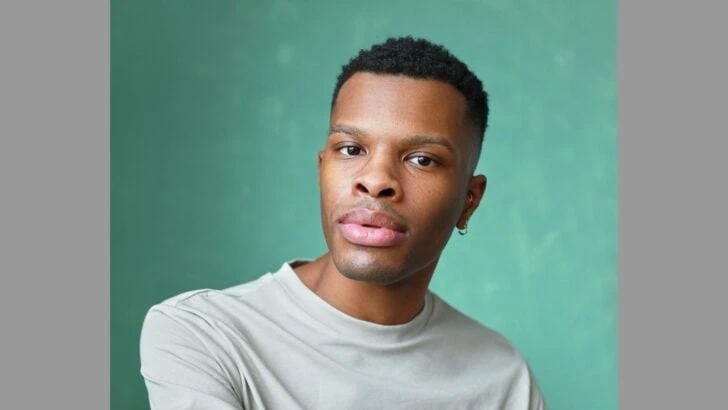
Between The Heartbeats: Producer Marcus Collick on the Joys of Celebrating Black Queer Love
-
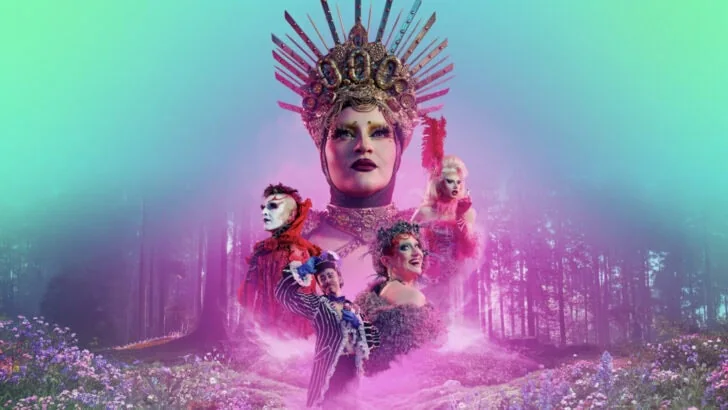
Acid’s Reign: The Riotous Climate Musical Comes to Edinburgh Fringe with Previews at Pleasance London from 3 July 2026
-
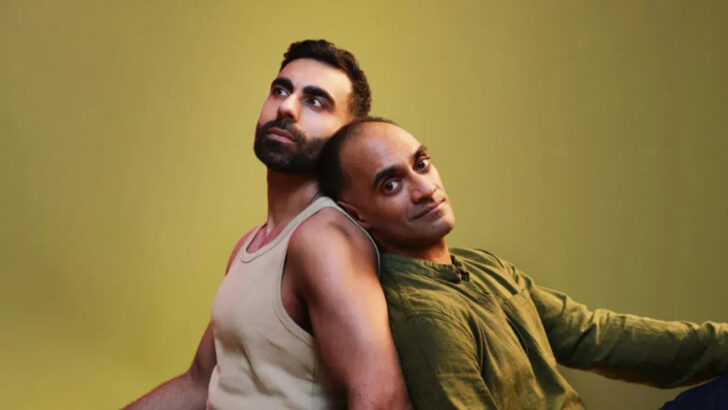
Tender: Thriller-come-romance Moves to the Bush Theatre’s Main House in Upscale Production, 9 July – 1 August 2026
-
Summer in The Ditch: Butch Cabaret, Queer Opera and Camp Mayhem at Shoreditch Town Hall 9 – 18 July 2026
-
The P Word: 5 Star LGBTQ+ Production Returns to the Bush Theatre, 28 May – 27 June 2026
-
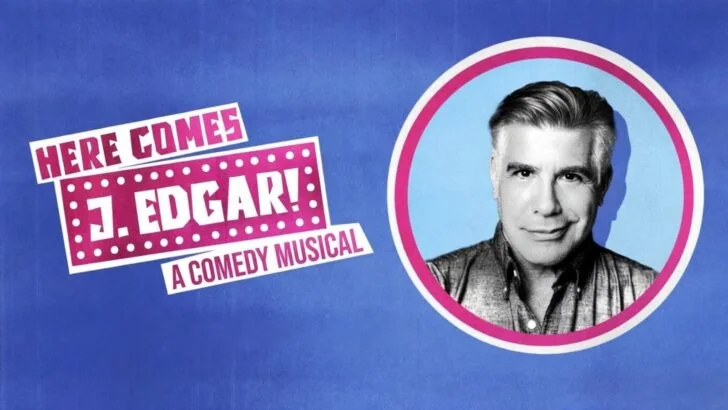
Here Comes J. Edgar!: Star of Mad Men, Bryan Batt, to Play J. Edgar Hoover in Comedy Musical at King’s Head Theatre in July
-
HOT POT: New Stage Play Offers Nuanced Representation of Queer East Asian Experience by Hongwei Bao
-
Walking Each Other Home Enjoys Four Star Reviews
-
Walking Each Other Home: Tim Graves Writes About His New Play at The Old Red Lion Playhouse, 28th April – 16th May 2026
-
Don’t Tell Dad about Diana: 90s Dublin, Drag and Princess Diana Come to Underbelly Soho, London, 26 – 28 May 2026
-
Kinder: Writer and Performer Ryan Stewart Invokes History in a Chilling Warning About the Danger of Complacency
-
Priscilla, Queen of the Desert UK Tour Comes to Brighton, 16 – 20 June 2026: Photo Review
-
Immersive True-crime Cabaret Garden Party: Truman Capote’s Black and White Celebration Makes its London Premiere (13-17 May ’26)
-
Pigs Fly Easy Ryan: Queer Theatre-makers Lou Doyle, Trevor White and Kendra Miller Chat About Their Bombastic Airplane Epic
-
Twerking Under the Crucifix
-
Walking Each Other Home at Old Red Lion Theatre, 28 April – 16 May 2026
queer theatre
Queer theatre has played a significant role in London’s cultural and theatrical history, with gay plays providing a platform for LGBTQ+ voices, challenging social conventions and exploring questions of sexuality, identity, discrimination and belonging. From underground performances to mainstream productions, queer theatre has developed into an important part of London’s artistic landscape, reflecting changing attitudes towards homosexuality and gender identity.
Queer theatre in London has long played an important role in challenging social conventions, celebrating LGBTQ+ identities and providing a platform for voices that have historically been marginalised. From underground performances to major theatrical productions, London’s queer theatre scene reflects the city’s diversity, creativity and ongoing struggles for equality and representation.
Historically, queer theatre developed in response to a society in which homosexuality was criminalised and LGBTQ+ identities were often excluded from mainstream culture. Theatre became a space for resistance, self-expression and community building. The relaxation of censorship laws in the 1960s and the decriminalisation of homosexuality in England and Wales in 1967 helped create greater opportunities for openly queer storytelling.
Groundbreaking Queer Theatre in London
Spitting Image (1968) – Colin Spencer
Pioneering British gay play. First performed at Hampstead Theatre Club in 1968, just one year after decriminalisation, this is widely recognised as Britain’s first openly gay play. It explored a relationship between two men and challenged contemporary attitudes towards homosexuality. Its success showed that audiences wanted to see gay lives represented openly on stage.
The Boys in the Band (1969) – Mart Crowley
Although American, its London production at Wyndham’s Theatre in February 1969 was an important theatrical event. Centred on a birthday party attended by a group of gay men, it explored friendship, internalised homophobia, relationships and gay identity. It brought openly gay characters to a mainstream West End audience.
Homosexual Acts (1975) – Gay Sweatshop
A landmark season at the Almost Free Theatre in Soho, it was the first season of gay plays in Britain. It helped establish Gay Sweatshop, one of Britain’s first professional gay and lesbian theatre companies. The company created opportunities for LGBTQ+ writers and performers to tell their own stories.
Passing By (1975) – Martin Sherman
Produced by Gay Sweatshop at the Almost Free Theatre, this tender love story between two men was significant because it presented gay relationships through affection, intimacy and ordinary human experience, rather than concentrating on persecution and tragedy. It featured a young Simon Callow.
As Time Goes By (1977) – Noel Greig and Drew Griffiths
Produced by Gay Sweatshop, this play traced gay history from the nineteenth century to the contemporary period. It was important in recovering gay historical figures and placing homosexuality within a wider social and political history.
Bent (1979) – Martin Sherman
Landmark queer history play. Premiering at the Royal Court Theatre in May 1979, Bent dramatised the persecution of gay men in Nazi Germany. Its central character, Max, experiences imprisonment and the brutality of the concentration camps. The play brought an overlooked part of Holocaust history into public consciousness and subsequently transferred to the West End.
Cloud Nine (1979) – Caryl Churchill
Premiering at the Royal Court, this groundbreaking play used cross-gender casting and explored sexuality, gender roles, colonialism and power. Although not exclusively a gay play, it became an influential work in feminist and queer theatre.
The Normal Heart (1986) – Larry Kramer
Although originally an American play, its British premiere at the Royal Court Theatre on 20 March 1986 was hugely significant. Addressing the AIDS crisis, it explored government indifference, prejudice, activism, love and the devastating impact of the epidemic on gay men.
This Island’s Mine (1987–88) – Philip Osment
Produced by Gay Sweatshop, this play responded to the political climate surrounding Section 28 and explored homosexuality, education and the representation of gay identity. It demonstrated how theatre could become a form of resistance to political censorship.
Angels In America (1991) – Tony Kushner
Set in 1980s New York City during the AIDS crisis and Reagan era, weaving together real history, personal heartbreak, and supernatural visions.
Today, queer theatre in London continues to evolve, addressing contemporary issues such as transgender identity, intersectionality, racism and LGBTQ+ rights. Ultimately, its importance lies not only in representation but also in its ability to challenge prejudice, preserve queer histories and celebrate diverse experiences. It remains an essential and dynamic part of London’s theatrical identity.