
The opening of Queer Britain Museum is timed to coincide with LGBT+ History Month. The new exhibitions showcase queer stories and experiences, from the unconventional families of the Bloomsbury Group to the UK’s first openly gay professional footballer.
Over 200 objects are on display from collections across the UK, including the National Football Museum, the Women’s Liberation Music Archive, and many private lenders.
Special exhibitions are planned for 2026 which will explore queer media representation, gay protest music, and Mariano Vivanco’s photography of transgender individuals.
Relaunching during LGBT+ History Month, the exhibitions feature over 200 items, including photographs, posters, clothing, and banners, across four galleries.
The new collections gallery narrates stories of queer life, love, protest, and artistry, organised into six themes:
Resist! explores the efforts to organise against oppression, highlighting the story of The Black Lesbian and Gay Centre, which played a crucial role in LGBTQ+ activism during the 1980s and 1990s. Co-curated by filmmaker Veronica McKenzie and a group of community members, the exhibition features rarely seen posters and pamphlets.
Club Kids celebrates alternative ways of coming together and will open with a co-curated showcase of Club Kali – the UK’s first space welcoming all LGBTQ+ individuals to connect and celebrate their diverse South Asian heritage.
Queer Creativity highlights artistic endeavours and narrates the story of the Women’s Liberation music movement during the 1970s and 1980s, which featured significant contributions from lesbian, bisexual, queer, and trans women.
Body and Mind reclaims narratives surrounding LGBTQ+ experiences of health, illness, and disability and will showcase a panel from the UK AIDS Memorial Quilt, part of the largest community arts project in history.
Live, Laugh, Love tells stories about domestic life and relationships, focusing on Bloomsbury group members Lytton Strachey and Dora Carrington, whose close, affectionate bond included sharing boyfriends comfortably.
The World Around Us examines the broader role of queer life in society. It begins with the story of Justin Fashanu, the first Black footballer to command a £1 million transfer fee. Fashanu publicly came out as gay in 1990 after facing threats of being outed by the press.
The gallery themes have been informed by visitor feedback, and the individual stories within each will change on a rolling basis, maximising the museum’s ability to represent the diversity of the LGBTQ+ community.
In addition to the collections gallery, Queer Britain will feature several special exhibitions in 2026, including:
Queer Print, 4th February – 3rd May
This exhibition explores the Queer Britain archive, donated by individuals from across the UK. It features magazines, flyers, posters, zines, and various ephemera to illustrate how LGBTQ+ people united, shared their stories, and organised through radical and alternative print cultures in a pre-digital age.
40 Years of BFI Flare, 4 February – 3 May
BFI Flare: London LGBTQIA+ Film Festival started in 1986 as a small series of films at the National Film Theatre, originally titled Gay’s Own Pictures. Since then, it has grown into one of the largest queer film festivals in Europe. To celebrate the 40th edition of BFI Flare, taking place from 18 March to 29 at BFI Southbank, a display of posters has been created to showcase the evolving themes and visual identities that have defined the festival throughout its history.
Trans is Human, 5th August – 27th September
This exhibition, created by trans couple Jake and Hannah Graff, showcases portraits by renowned photographer Mariano Vivanco. It celebrates the stories of thirteen inspiring and ordinary transgender individuals from across the UK.
Everyone Involved by Ian Giles, 21 October – 15 November
This immersive installation and film showcase “A Gay Song,” recognised as the first LGBTQ+ protest song recorded on vinyl in 1972. Artist Ian Giles has reformed the original band to re-record the song 52 years after its initial release. This cross-generational act serves as a gesture of gratitude and highlights the enduring legacy of the gay liberation movement in the UK.
Details of further exhibitions will be announced throughout the year
Queer Britain’s exhibition and displays are accompanied by a year-round events programme that includes opportunities to meet authors and artists, creative workshops, and panel discussions exploring parallels between the historical and current struggles of the LGBTQ+ community.
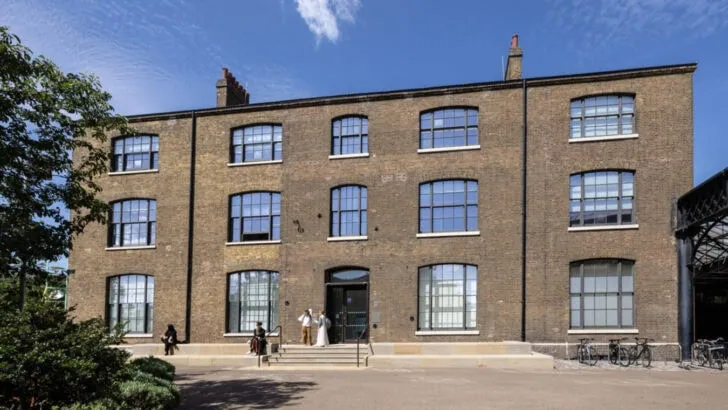
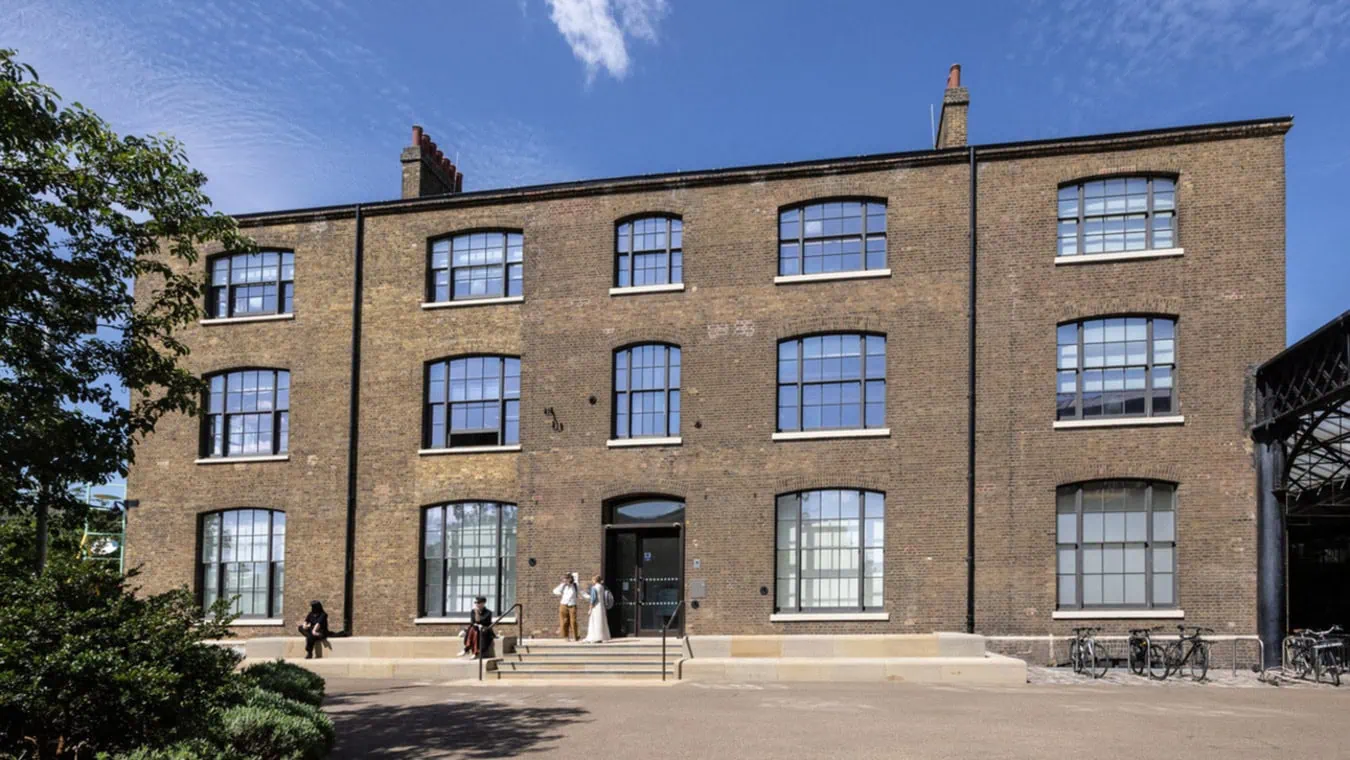
Queer Britain Museum is at 2 Granary Square, London, N1C 4BH, United Kingdom.
The museum is open from 4 February 2026.
queerbritain.org.uk