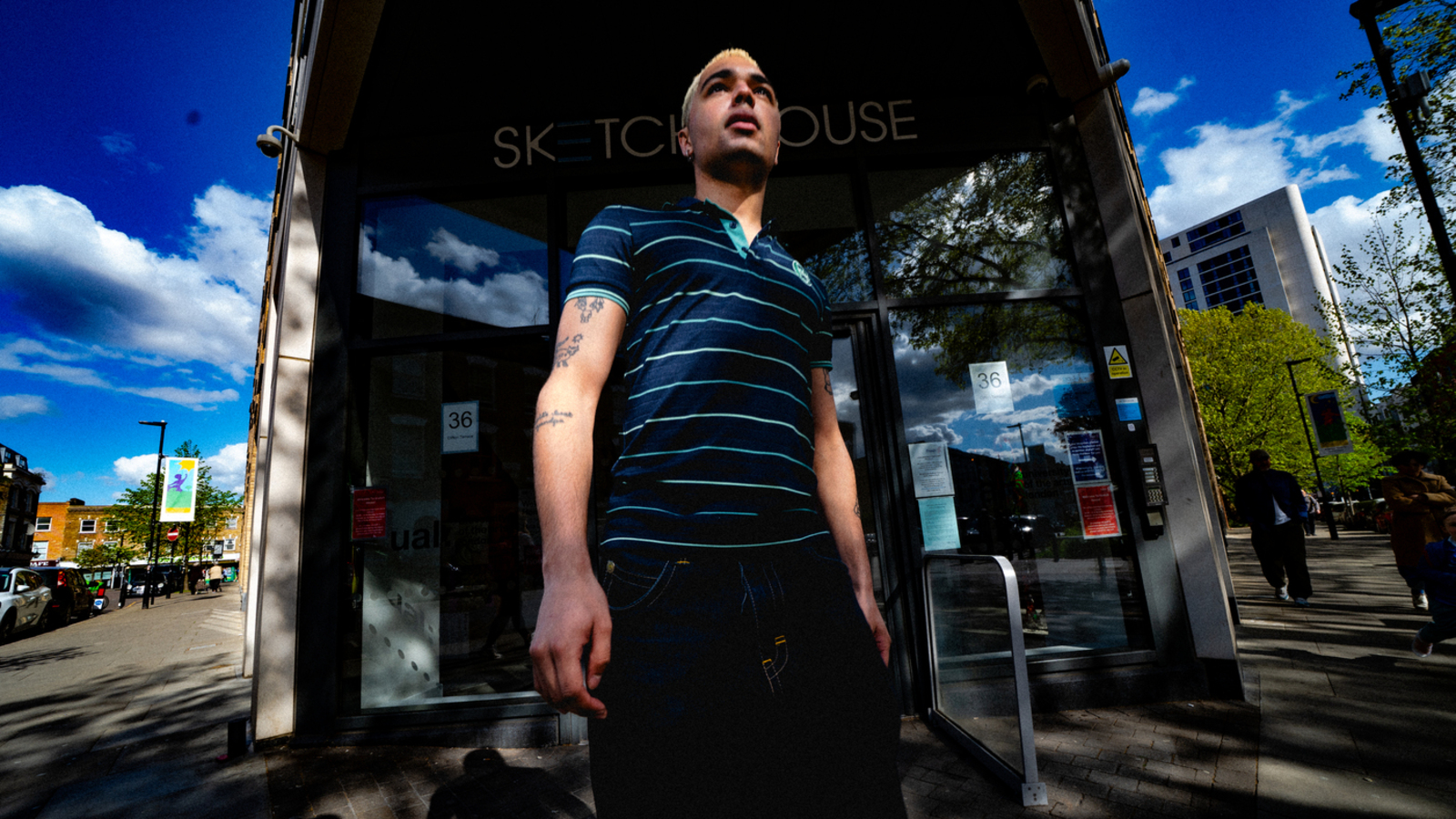
When I first approached Emmanuel Akwafo about Monkeyface, I was nothing more than an unemployed, broke, Black gay boy with a script and a dream. If you’d told me then that, two years later, we’d be selling out crowds, receiving critical acclaim, securing a three-week run, and even getting the play published, I would’ve laughed in your face. Actually, no, I probably would’ve cried.
Monkeyface holds a special place in my heart, not only because it’s my debut play, but because it helped me make sense of my thoughts during a time when I felt completely alone. The title actually came to me years before I ever thought of the story itself. I can’t remember exactly how I landed on the name, but to me, Monkeyface has always represented a messy, out-of-control mind, something that sits at the very centre of the play.
In September 2023, I enrolled at Central Saint Martins to study Curation. As a young, queer creative, I was convinced it was the right choice. The work coming out of that campus made me certain I was going to thrive there. Instead, I experienced classism sugar-coated with racism.
People’s faces dropped when I admitted I’d never been skiing or that family holidays were rare growing up. People laughed when I asked whether they worked alongside studying. Others saw no issue in harassing the only Black kid in the halls for weed. I quickly realised that art school, especially institutions like this, often isn’t built for working-class kids.
Any artist desperate for material can recognise when they’re living through something that will eventually become their next project. For me, that was university. After withdrawing from my studies, I felt trapped. My mum was working and couldn’t pick me up for another month, so I stayed confined to my tiny room, smoking, drinking, and rotting in bed. My thoughts were constant, overwhelming, and difficult to articulate, but I knew they were too raw to ignore.
So I started writing them down in my notes app. Every thought that entered my head, no matter how fragmented or nonsensical, went into my phone. It became a form of self-therapy. Within two weeks, I had over 500 notes: sentences, fragments, and phrases pulled straight from my depressed mind. Eventually, I pieced them together into the first draft of a play.
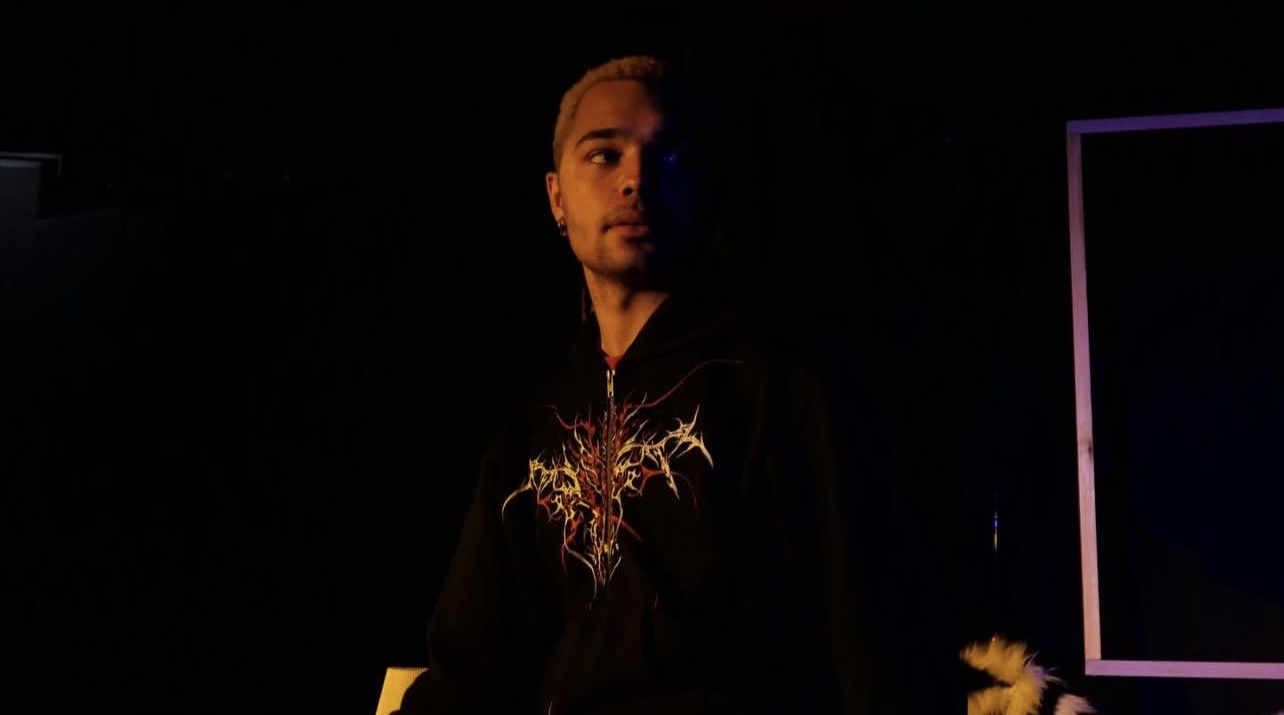
Of course, I had to reshape it theatrically. I drew inspiration from Travis Alabanza’s play Overflow, about a trans woman hiding in a nightclub bathroom from the dangers outside. In many ways, Monkeyface mirrors that same isolation: two people who understand what it means to be harassed, fetishised, and misunderstood, retreating inward for safety. Blending those themes with my own university experiences allowed me to create something deeply personal, but also relatable far beyond Black or queer audiences.
When I first pitched the play to Emmanuel, I was shocked by how much he related to it. Growing up Black and gay, you’re often made to feel like you’re the only one to feel how you feel. But the closer you look, the more universal the Black queer experience becomes. It’s painful at times, yes, but it’s also joyful, beautiful, and rich with history. That’s one of the greatest lessons Emmanuel taught me: being Black and gay doesn’t have to be reduced to suffering. Our struggles exist, but so does our capacity for love, joy, and connection.
Looking back now, I can recognise that even during my darkest moments at university, there were still flashes of happiness. I met people who truly saw me and found spaces where I felt respected and understood. The fact that those moments were temporary doesn’t make them any less meaningful.
Fast forward to now, and I’m incredibly proud of how far this play has come. There have been setbacks, people walking away because there was no funding attached, but those losses have been outweighed by an incredible team who believe in this story and what it represents. Three years on, I can proudly say that enrolling at CSM perhaps wasn’t the worst idea I’ve ever had. If it weren’t for my time there, I never would’ve written Monkeyface. And now, Monkeyface is ours forever.
Monkeyface runs from the 6 – 21 July 2026 at Riverside Studios, 101 Queen Caroline Street, Hammersmith, London W6 9BN, United Kingdom.

![The Rising in London's SE1 is an LGBTQ] bar that has many LGBTQ] social events](https://www.qxmagazine.com/wp-content/uploads/2024/09/imageedit_26_9160770370-728x410.jpg)